NWP 2 Mare di Bering e Nome
English version below
L’entrata nel Mare di Bering per Lifexplorer, non è solo un importante accesso al mare che ci condurrà alla porta artica dello omonimo stretto, ma anche l’uscita dall’Oceano Pacifico dove eravamo entrati attraverso lo stretto di Magellano in una notte dell’Ottobre 2022.
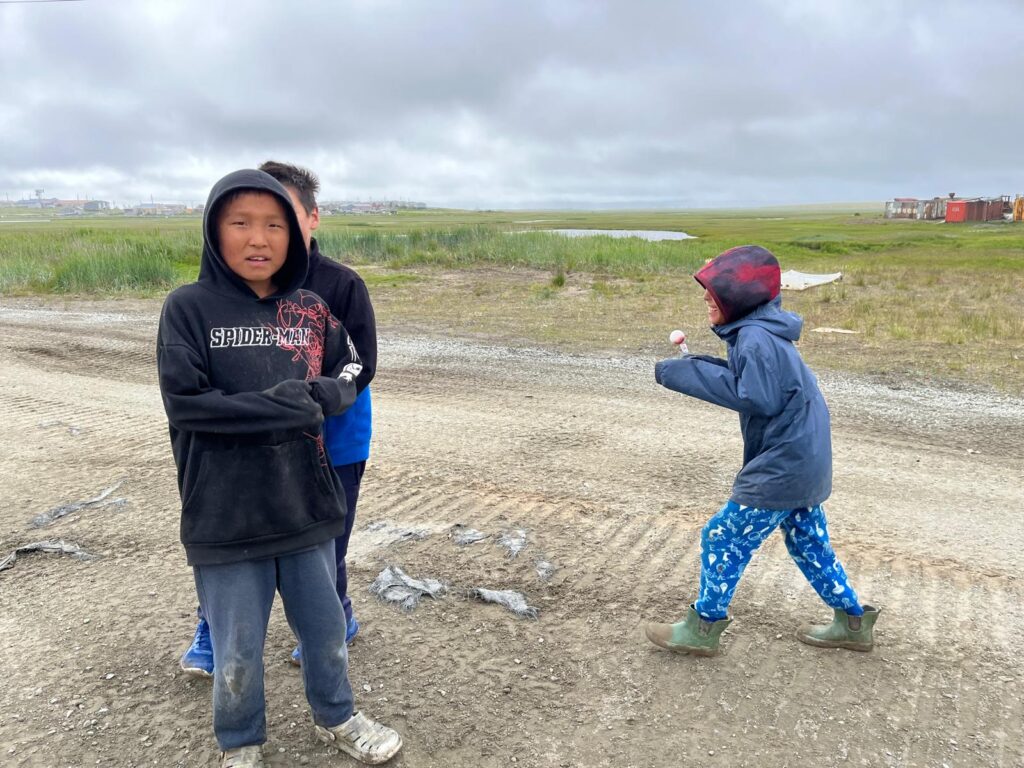
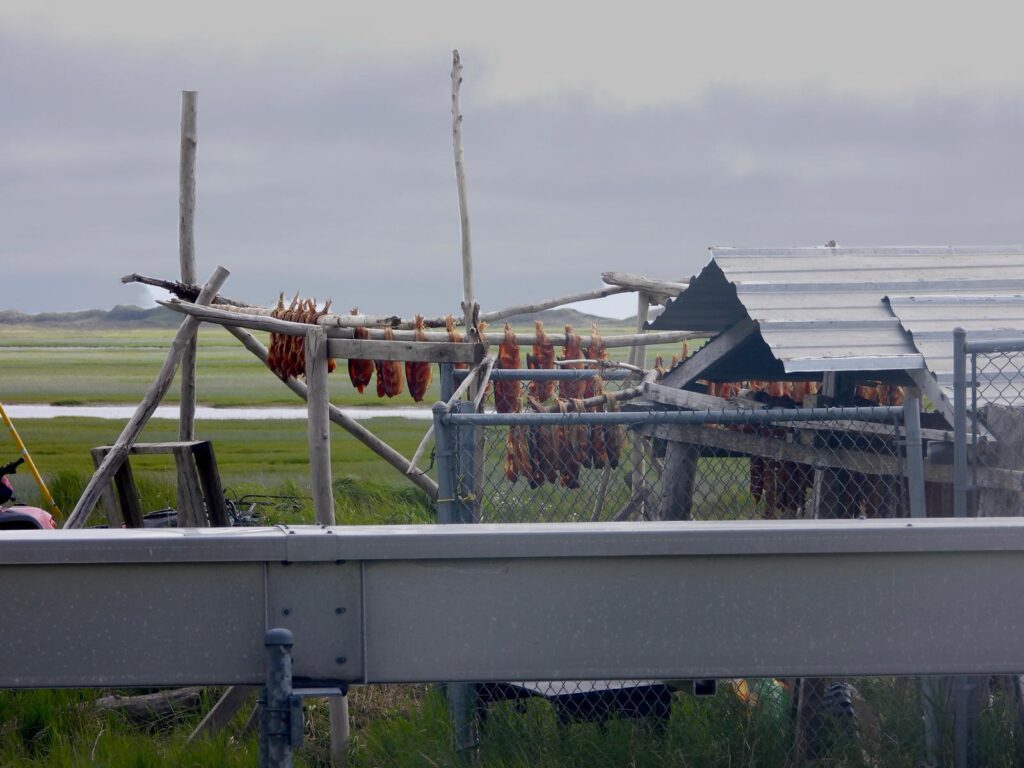
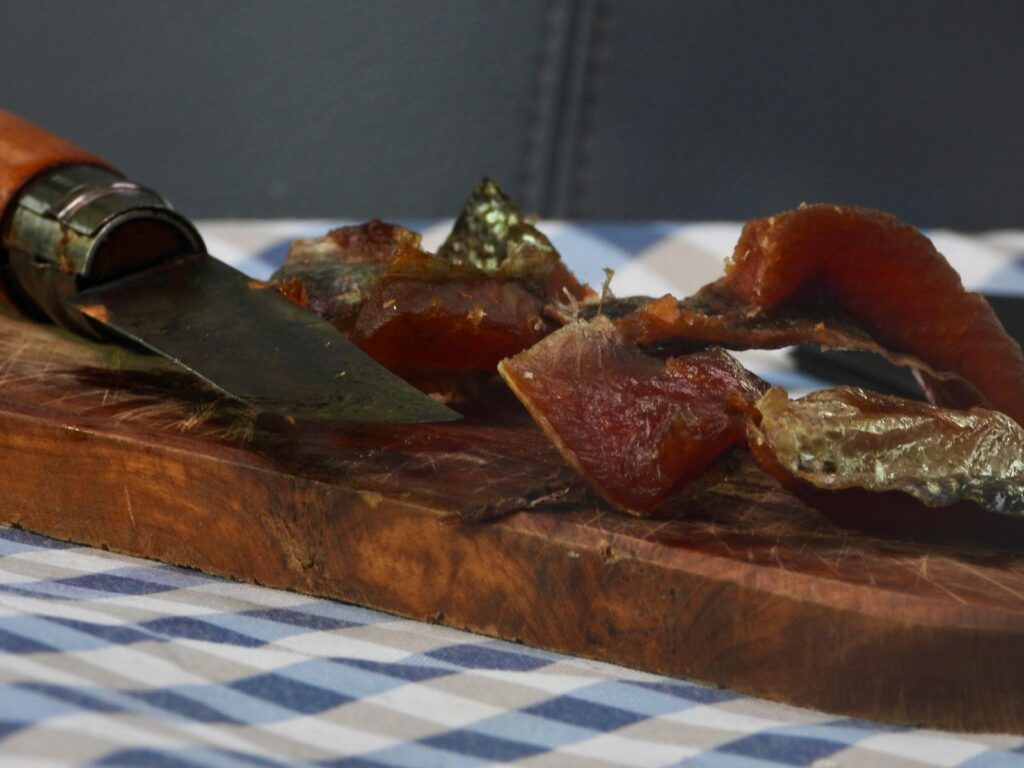
L’accesso breve tra le Aleutine e la penisola dell’ Alaska è la False Pass, che sempre a causa dell’inverno polare ha subito dalle burrasche primaverili la deriva del 90% delle boe di segnalazione del canale tra i bassissimi fondali. Da informazioni raccolte Coast Guard e Noaa avevano nelle settimane antecedenti il nostro arrivo reinstallato e rimappato una buona parte di esse. Le tabelle di marea segnalavano una situazione non molto favorevole sia a noi che al nostro esperto NWP a terra Victor (basato a Toronto), con esperienza ventennale per aver seguito gran parte dei passaggi. Collabora con le forze aeree Canadesi per le operazioni SAR (search and rescue),e’ responsabile Garmin per la parte artica e nonostante ambisca alla pensione ha deciso ancora per un anno di supportare noi ed alcune altre imbarcazioni. Malgrado alcuni dubbi abbiamo deciso di affrontare il canale di False Pass e, forse per i venti da sud dei giorni precedenti, una corrente fino a 4 nodi ci ha spinto in modo entusiasmante. Esattamente nel momento in cui abbiamo raggiunto il villaggio, sono partite 3 barche da pesca, che ci hanno guidato tra le poche boe rimaste e quelle riposizionate. Che fortuna! A questo punto un vento perfetto ci ha spinto per quasi 500 miglia sino al villaggio di Hopper Bay. In 3 metri d’acqua, tra 2 rimorchiatori e 3 “barge” da bassi fondali, avvolti da nebbia e nuvole, aspettando che si calmassero i venti contrari, siamo stati avvolti dalla gentilezza degli Inuit Yupik. Oltre a grandi sorrisi e simpatia, ci hanno offerto chili di delizioso salmone essiccato al sole. Una accoglienza tanto calorosa da essere quasi imbarazzante.
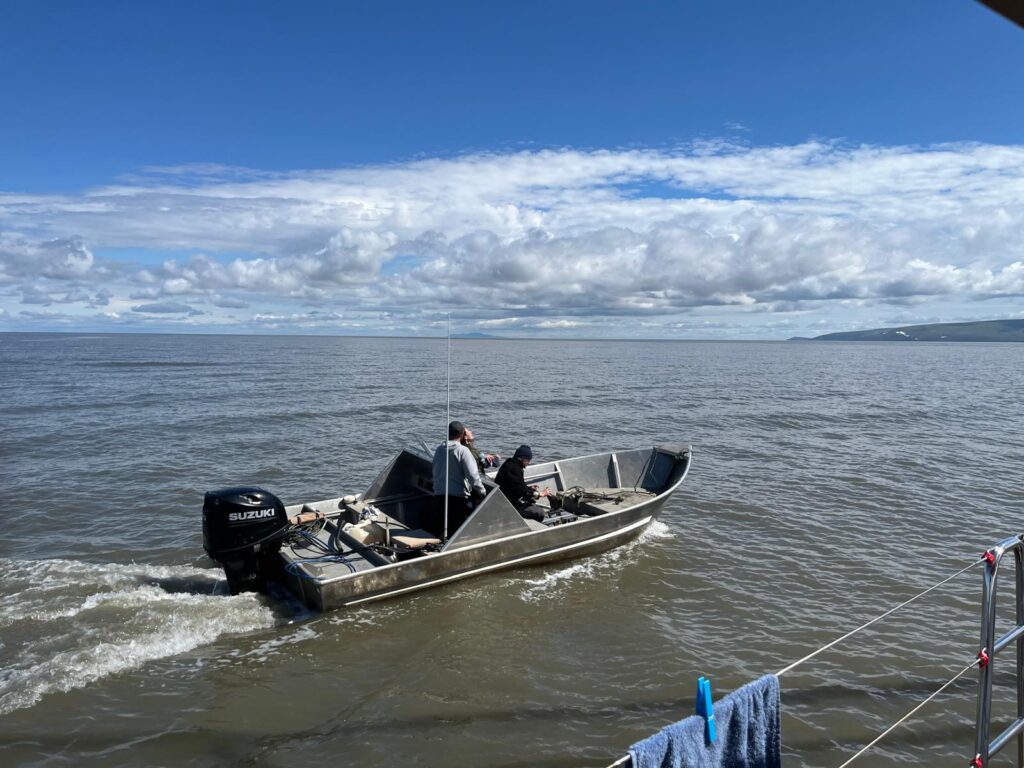
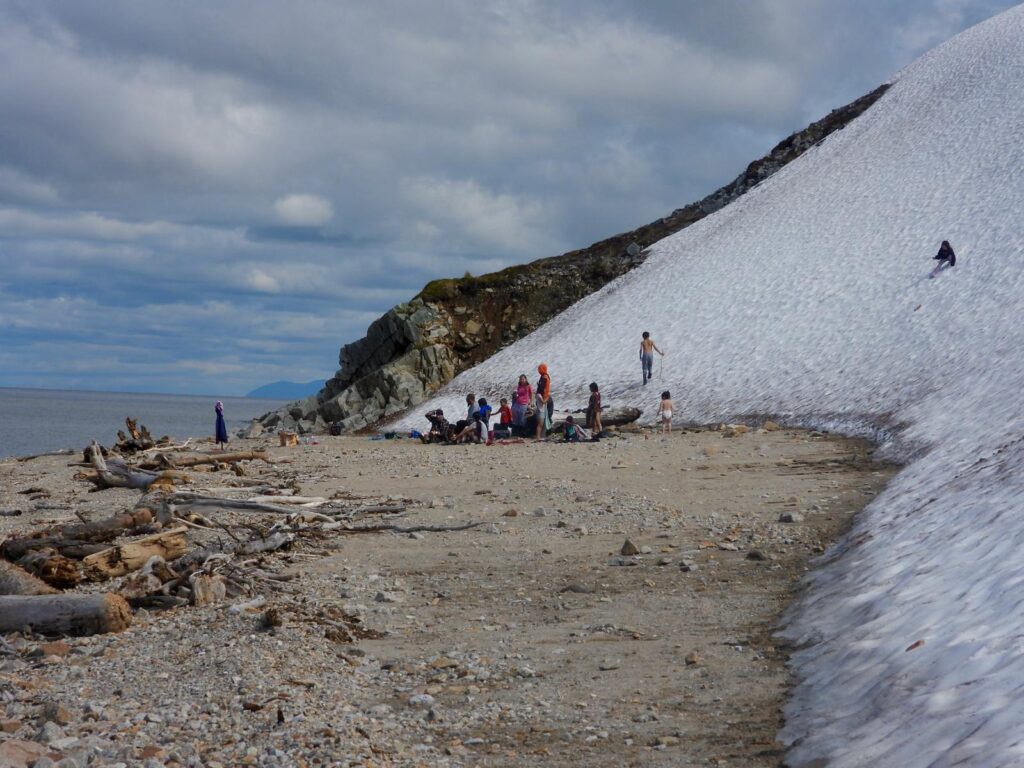
Ripartiti con mare contro dopo 20 miglia abbiamo improvvisato un ancoraggio tra banchi di sabbia ad una decina di miglia dalla costa, a ridosso dell’ isola di Naragon. Quando siamo arrivati abbiamo constatato che l’isola si era spostata di 1300 mt a nordest. Ci sono voluti una ventina di minuti per ricostruire la nuova orografia, ma siamo stati ripagati. Nel giro di mezz’ora un paio di barche di Yupik che abitano in fondo alla laguna, ci sono venute a salutare raccontandoci che venivano con le famiglie a raccogliere legna portata dal vento sui banchi/isola per scaldarsi d’inverno. Poi è arrivato Richard con la sua barca e con fare molto evoluto ci ha invitarci al picnic del 4 luglio americano che aveva organizzato con la famigliola in spiaggia. Anusofia e Mathias ci hanno rappresentati. La famiglia di 39 elementi, al pic-nic era presente solo con nonni alcuni figli e un mare di nipotini: 18! E Richard e moglie hanno o solo 53 anni!. Ma che meravigliosa vita! Cacciano alci, pescano halibut, salmone e beluga, non scandalizzatevi gli inuit per auto sufficienza e tradizione possono! Il tutto con un lavoro massacrante immersi in una natura ostile . Che fantastica accoglienza! Un salto nel passato e nel futuro . Erano in spiaggia con antenna Starlink per essere parte del mondo. La ragione di questa sosta è stata anche la folle attrazione emanata del selvaggio delta dello Yukon e da un paio di villaggi che sopravvivono storicamente in questo unico ecosistema artico. Per un paio di giorni abbiamo valutato la risalita del fiume, ma in assenza di mappe e con poche frammentarie informazioni di comandanti di rimorchiatori e barge che pescano 1 mt!! (e si sono arenati quest’anno!), abbiamo sedato i nostri bollenti spiriti esplorativi.
Prua verso nord per 2 giorni di relax a Golovin Bay, di fronte al piccolo villaggio, ove Mathias ha potuto seguire un interessante corso personale sulle erbe medicinali Yupik con la anziana capo villaggio. Il negozio ci ha regalato 2 kg di riso Scotti da risotto(che non sapeva a chi vendere), Anusofia ha sfidato gli orsi con una decina di chilometri di corsa nei dintorni. I nostri 2 eroi si sono fatti un paio di bagni a temperature indefinite.
Oggi arrivo a Nome, la città di frontiera delle corse all’oro e di tanti altre avventure, ove il cimitero copre una intera collina ed il doppio degli abitanti attuali giace, principalmente per morti premature.
Alla prossima.
NWP 2 Mare di Bering e Nome
NWP 2 Bering Sea to Nome
Entering the Bering Sea marks a significant milestone for *Lifexplorer*: it is not only the gateway to the Arctic entrance of the Bering Strait but also our exit from the Pacific Ocean—which we had originally entered via the Strait of Magellan one night in October 2022. The narrow passage between the Aleutian Islands and the Alaska Peninsula is known as False Pass; however, the harsh polar winter and subsequent spring gales had caused 90% of the channel’s navigational buoys—essential for navigating the extremely shallow waters—to drift out of position. According to information we gathered, the Coast Guard and NOAA had reinstalled and remapped a good number of them in the weeks leading up to our arrival. Tide tables indicated conditions that were far from ideal—a view shared by Victor, our expert shore-based Northwest Passage (NWP) advisor in Toronto. Victor boasts twenty years of experience guiding vessels through these waters; he collaborates with the Canadian Air Force on Search and Rescue (SAR) operations and serves as Garmin’s Arctic specialist. Although he is looking forward to retirement, he decided to support us—and a few other vessels—for one more year. Despite some reservations, we decided to tackle the False Pass channel; perhaps due to the southerly winds of the previous days, a current reaching speeds of up to 4 knots gave us an exhilarating push. Just as we reached the village, three fishing boats set out, guiding us safely between the few remaining original buoys and the newly repositioned ones. What luck! From there, perfect winds propelled us nearly 500 miles to the village of Hooper Bay. Anchored in just three meters of water—sandwiched between two tugboats and three shallow-draft barges, and shrouded in fog and clouds while we waited for the headwinds to subside—we were embraced by the kindness of the Yupik Inuit people. Along with big smiles and friendliness, they offered us kilos of delicious sun-dried salmon. It was a welcome so warm it was almost overwhelming.
After setting off again against the sea, and covering 20 miles, we improvised an anchorage among sandbars about ten miles offshore, in the lee of Naragon Island. Upon arrival, we discovered the island had shifted 1,300 meters to the northeast. It took us about twenty minutes to figure out the new layout, but it was worth it. Within half an hour, a couple of boats belonging to Yupik people—who live at the far end of the lagoon—came to greet us; they told us they were there with their families to gather wind-blown driftwood from the sandbars to heat their homes in winter. Then Richard arrived in his boat and, with a very modern air about him, invited us to the American 4th of July picnic he had organized on the beach with his family. Anusofia and Mathias went to represent us. Although the family numbers 39 people in total, only the grandparents, a few children, and a sea of grandchildren—18 of them!—were at the picnic. And Richard and his wife are only 53! What a wonderful life they lead! They hunt moose and fish for halibut, salmon, and beluga—don’t be shocked; the Inuit are permitted to do so for the sake of self-sufficiency and tradition! All this involves grueling labor amidst a hostile natural environment. What a fantastic welcome! It felt like a leap into both the past and the future; they were on the beach with a Starlink antenna, staying connected to the wider world. We stopped here partly because of the irresistible pull of the wild Yukon Delta and the few villages that have historically survived within this unique Arctic ecosystem. We considered sailing up the river for a couple of days, but we lacked proper charts and had only sketchy, fragmented information from the captains of tugboats and barges—vessels that draw just one meter of water! (and stalled this year!), we’ve cooled our burning desire for exploration.
We headed north for two days of relaxation in Golovin Bay, right off the small village, where Mathias was able to take a fascinating private course on Yupik medicinal herbs with the elderly village chief. The local shop gifted us 2 kg of Scotti risotto rice (which they hadn’t been able to sell), and Anusofia braved the bears by going for a ten-kilometer run in the surrounding area. Our two heroes even took a couple of dips in water of indeterminate temperature.
Today we arrive in Nome—that frontier town of gold rushes and countless other adventures—where the cemetery covers an entire hillside and holds twice the number of the current population, mostly victims of premature death.
Until next time.