NWP 4 Herschel Island, Cambridge Bay, avanti verso il Victoria Strait, Bellot Strait, Batty Bay:
English version below
Ripartiti da Herschel Island dopo interessanti racconti dei ricercatori e delle guide Iniuvialuit, ci aspetta una grande corsa, senza sosta per raggiungere ed imbarcare nostri amici Tortello e Guido in arrivo a Cabridge Bay di circa 850 miglia. Dapprima le 400 miglia della grande foce paludosa e bassa del Makenzie, verso la fine del quale accediamo con un mistico passaggio all’alba attraverso lo Snowgoose passage, all’insidioso Golfo di Amundsen infestato nelle prime 150 miglia da ghiaccio non troppo denso tra 2/10 e 4/10 ma avvolto da fittissime nebbie.
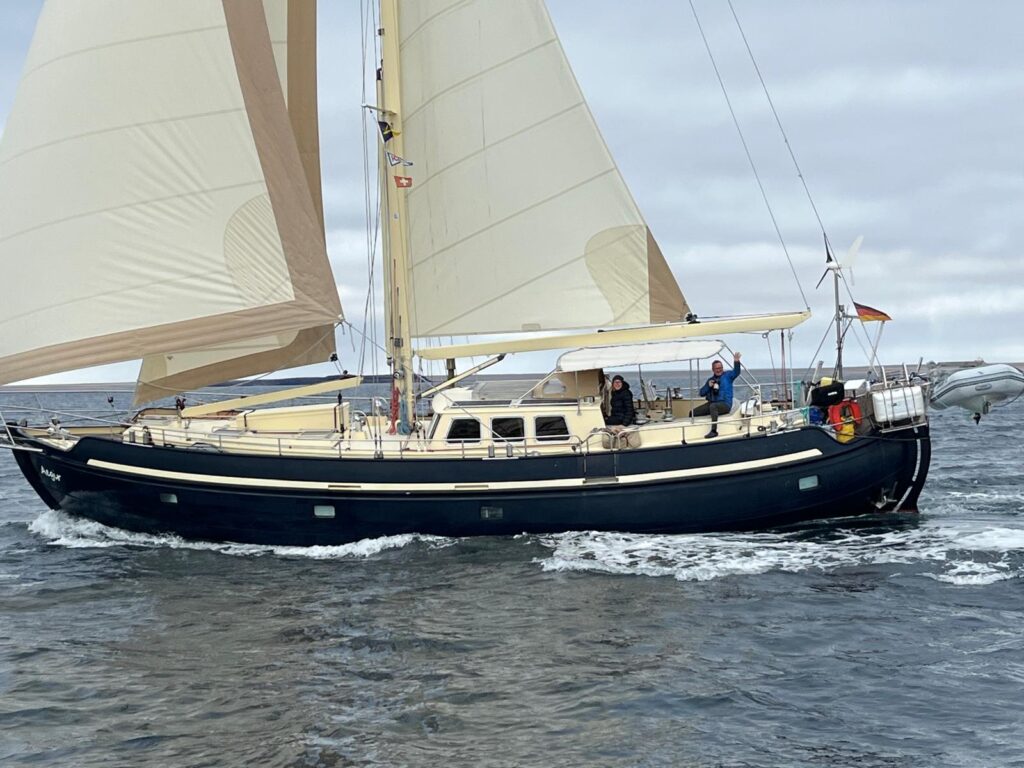
Il gran finale ci ha regalato 2 notti di buon vento al lasco con medie elevate, l’incontro ed i saluti nel Dease Strait con le prime imbarcazioni provenienti da Est e preoccupate del ghiaccio che era nella nostra scia.(Photo incontro svizzero /tedesca SY Aegir)
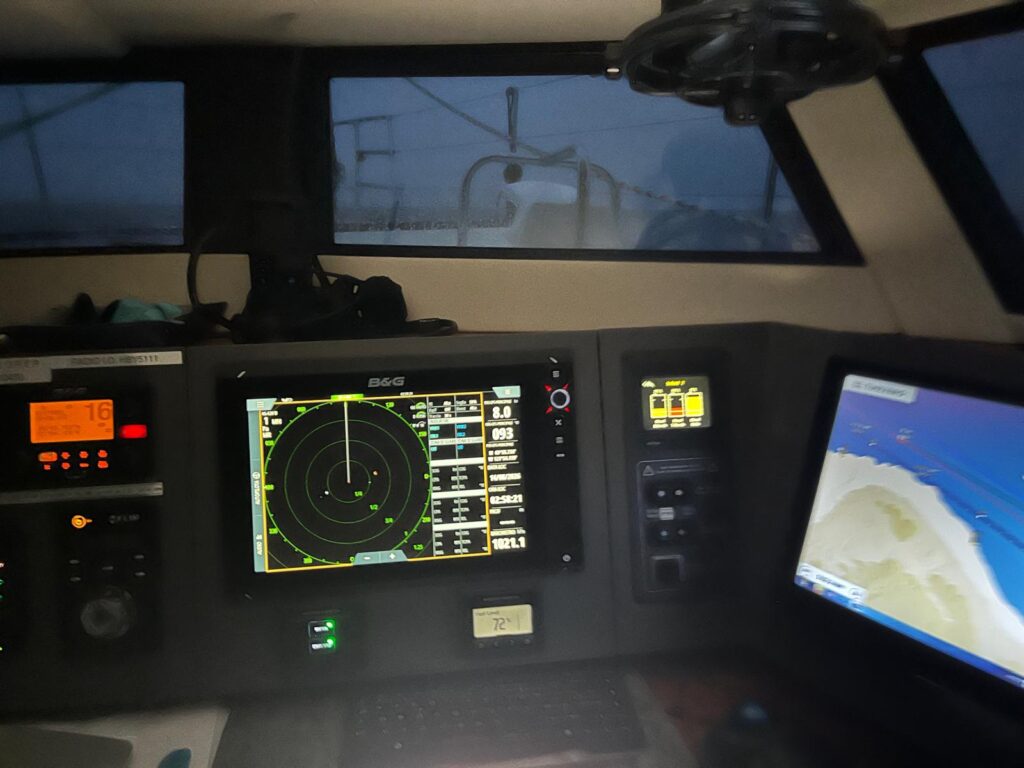
A Cambridge Bay oltre ai nostri simpatici ansiosi amici abbiamo effettuato rifornimento di gasolio ed incontrato, oltre ad una riproduzione norvegese del Froya di Amundsen, il rompighiaccio della Coast Guard Canadese Sir Wilfrid Laurier alla fonda in rada. Con la sua presenza ed i vari incontri a distanza e qualche contatto radio, nei 10 giorni precedenti ci aveva dato la sensazione di non essere proprio soli. L’ufficiale ci ha confermato come hanno osservato la nostra azione con Diablesse sia stata di successo in una condizione al limite della navigabilità per imbarcazioni delle nostre dimensioni.
Ripartiti, decidiamo di non effettuare la rotta di Amundsen che arrivando da EST, tentando il passaggio per primo, aveva lasciato a dritta King Willima Island, ma di percorrere il Victoria Strait famoso per essere stato il luogo dove si è consumata la tragedia della spedizione Franklin. Quest’ anno, contrariamente al ghiacciato Ovest, qui è praticamente libero dal ghiaccio.
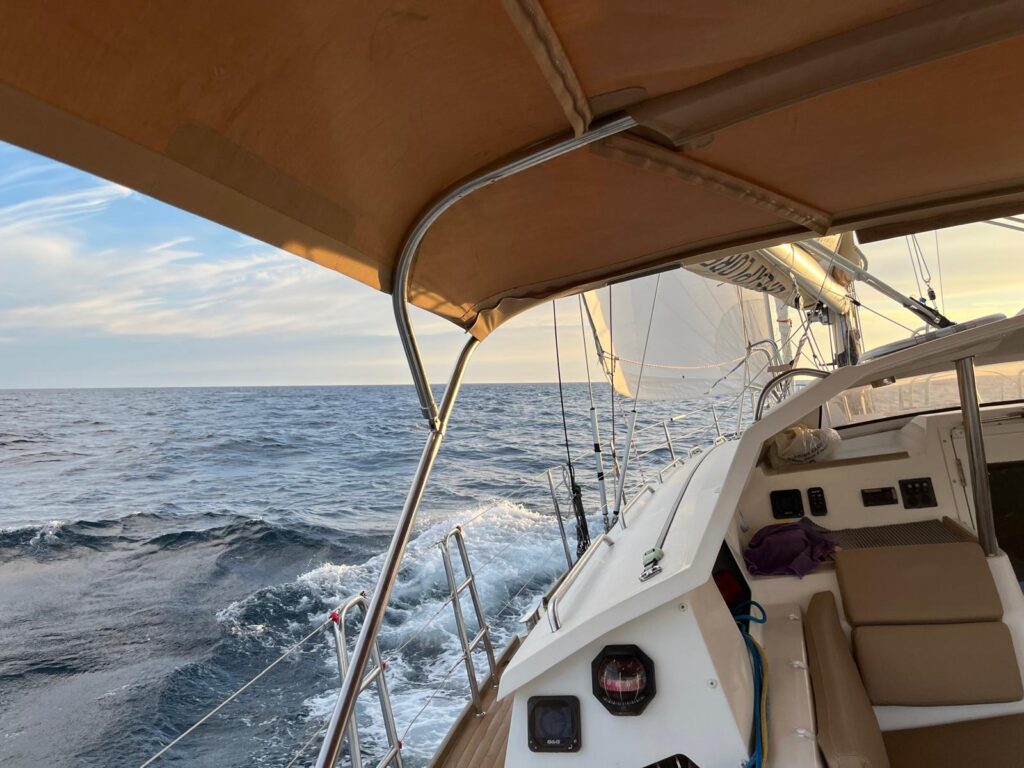
Adesso ci prendiamo il tempo di alcune soste nella isolata natura selvaggia di questi posti.
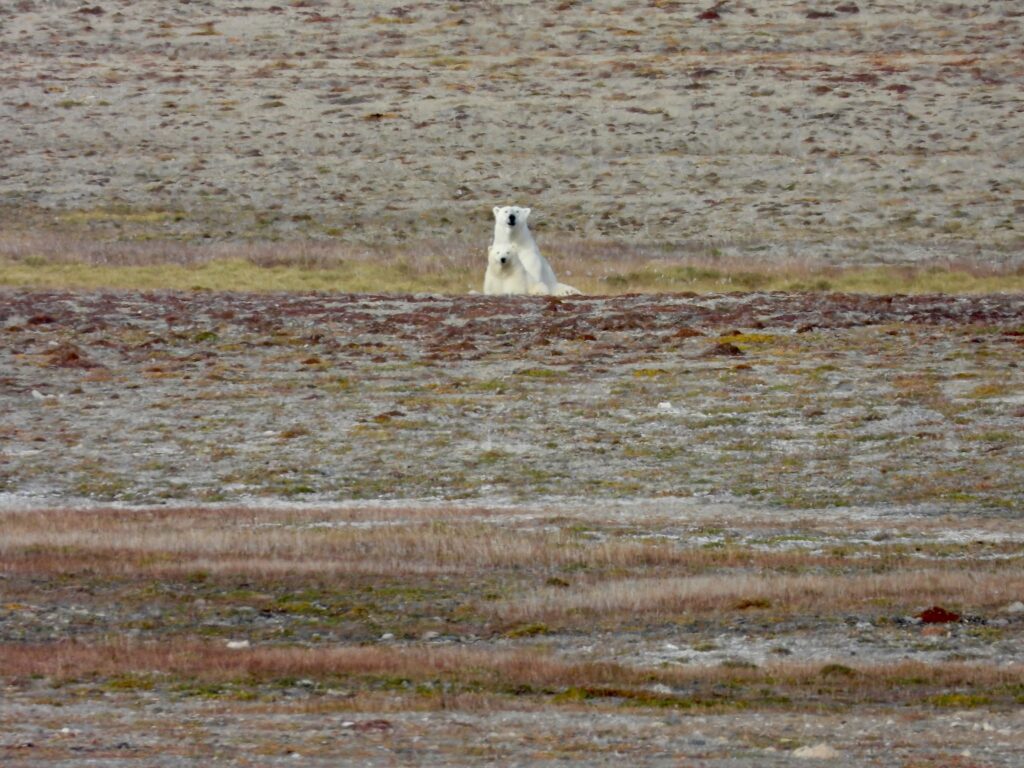
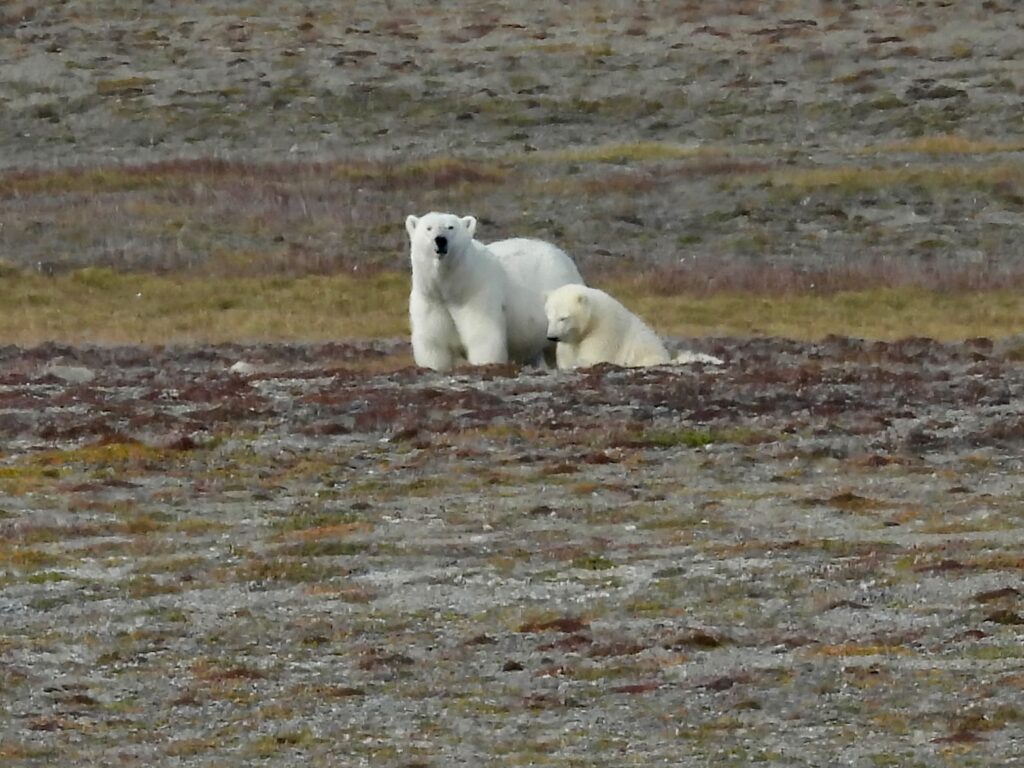
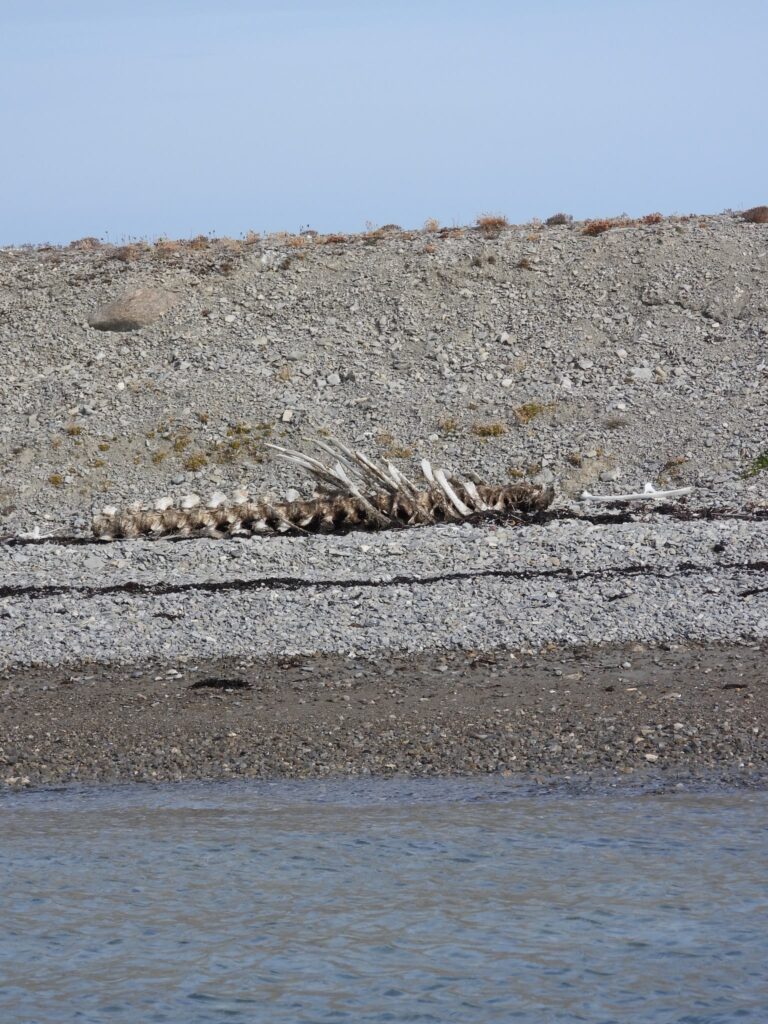
Le lagune in questa zona centro occidentale del passaggio ove il paesaggio è tipicamente glaciale, attirano giornalmente centinai di balene bianche beluga impegnate in attività di socializzazione e riproduzione, a loro volta attirando decine di orsi bianchi in attività di caccia, spettacoli meravigliosi dalla natura,
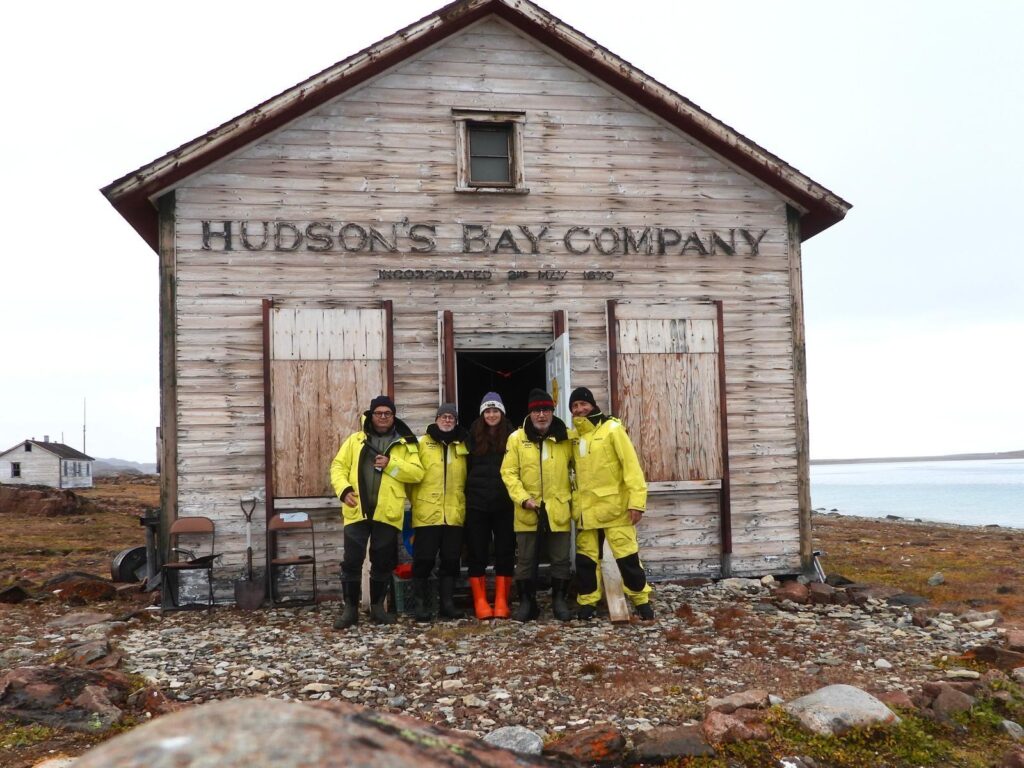
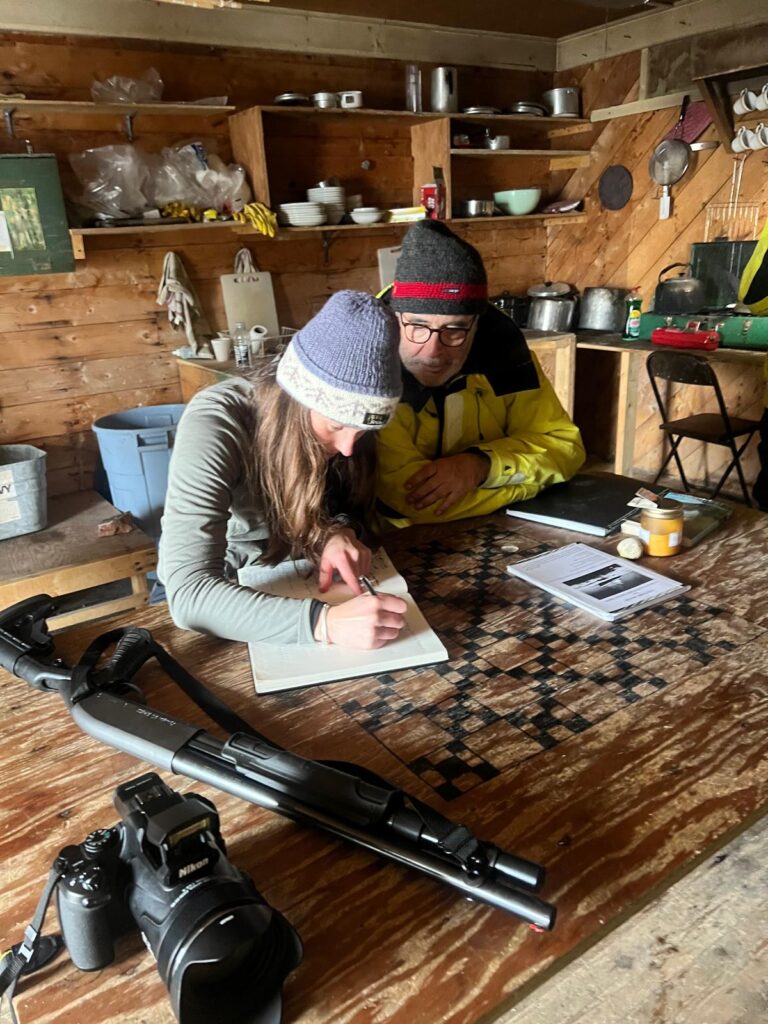
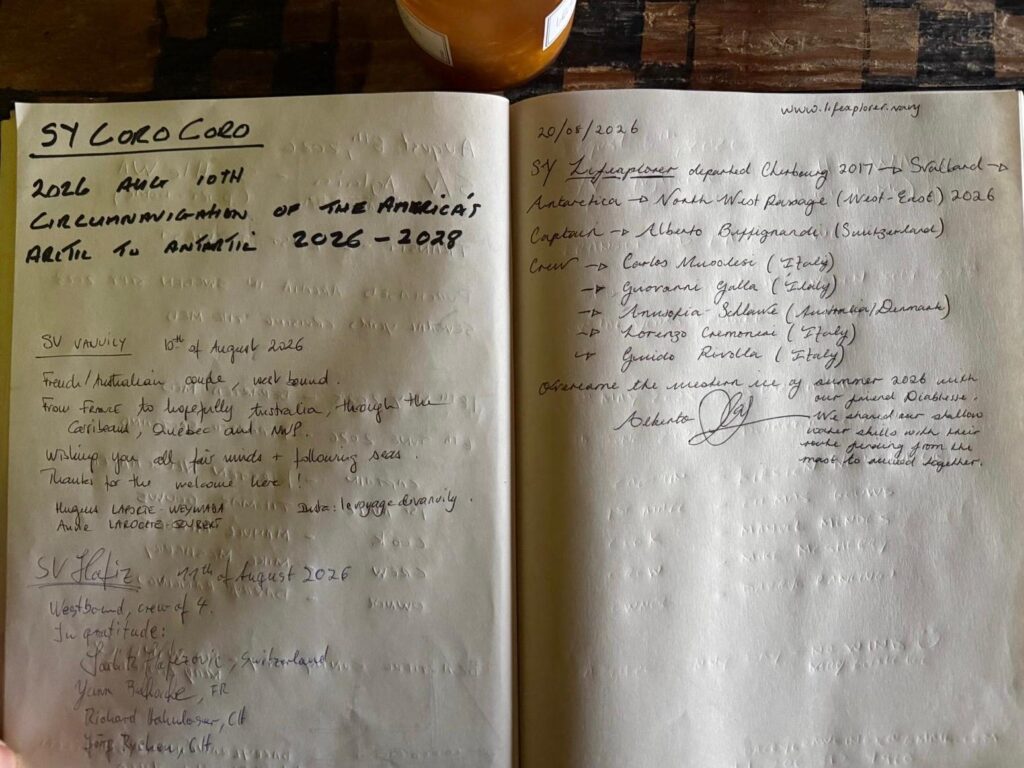
A seguire un nuovo interessantissimo passaggio del Bellot Strait, con correnti e rapide e pochissimo ghiaccio incagliato, e l’ancoraggio al suo imbocco nel golfo di Fort Ross con la visita della casa sede sino al 1941 di della Hudson’s Company, oggi rifugio di cacciatori e di naufraghi, con libro dei passaggi storico e nostra registrazione.
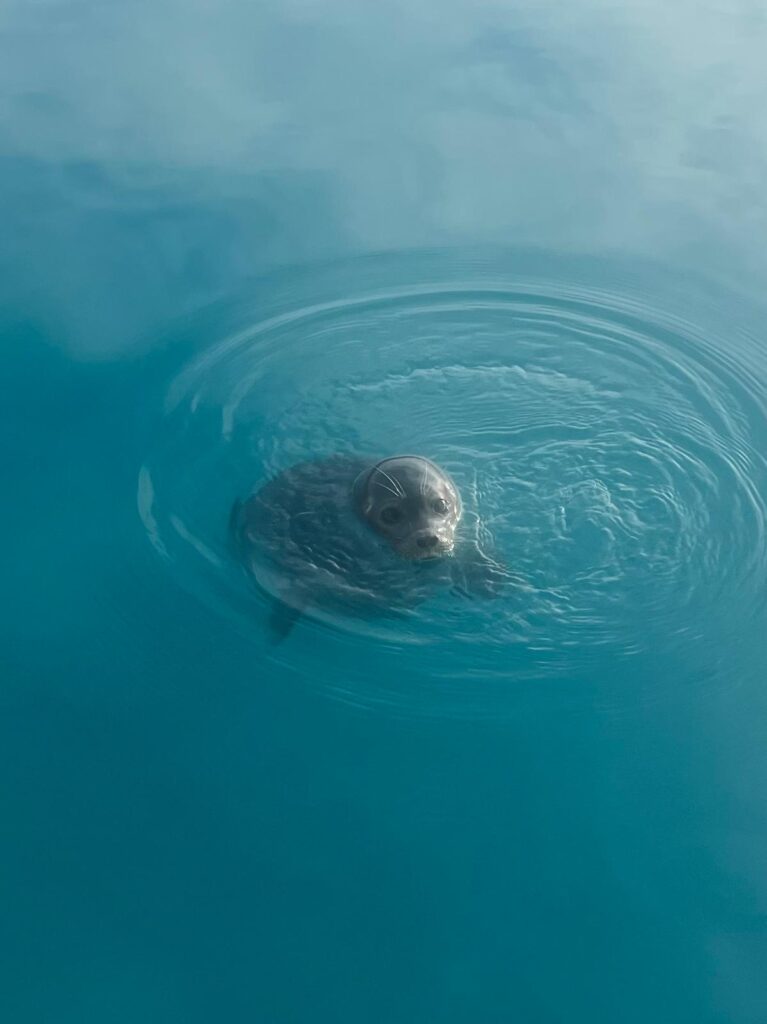
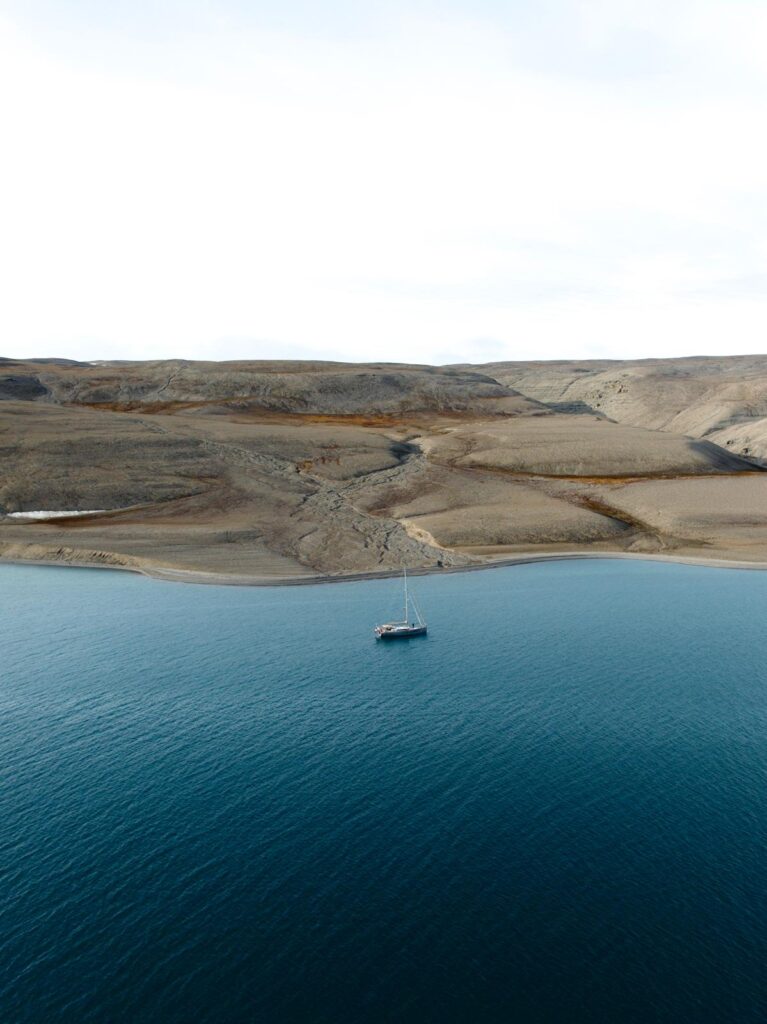
Continuiamo verso nord ed al 73° entriamo, con i preziosi waypoints del nostro esperto consulente Victor nella scenica laguna di Batty Bay, ove tanti grandi esploratori dell’800 hanno ormeggiato e qualcuno ha anche svernato. Qui c’è stato il tempo di una gita a terra, come dell’attenta osservazione di una simpatica e curiosa foca ( ringed seals). Per concludere l’esplorazione del fiume che qui sfocia ci regala l’incontro con un piccolo gruppo di beluga e di narvali, troppo schivi per lasciarsi fotografare.
In mattinata ci sono arrivate le affettuose congratulazione per il superamento del difficile ghiaccio del Bering, del Beufort e dell’Amundsen Gulf del grande Jimmy Cornell. Grazie Jimmy con le tue descrizione delle rotte del mondo ci hai fatto sognare per 40 anni.
ENGLISH Version
Having set off from Herschel Island inspired stories from researchers and Inuvialuit guides, a great race awaits us. We must sail fast to reach and embark our friends Tortello and Guido, arriving in Cambridge Bay, approximately 850 miles away. First, we meet the 400 miles of the great, marshy, shallow mouth of the Makenzie, we then enter the mystical Snowgoose Passage followed by the treacherous Amundsen Gulf, of which the first 150 miles is still covered by ice- not too dense, between 2/10 and 4/10, but shrouded in heavy fog.
The grand finale gave us two nights of good winds on a broad reach with high average speed, and a meeting and farewell in Dease Strait with the first vessels arriving from the east, worried about the ice in our wake. (Photo: Swiss/German meeting SY Aegir)
In Cambridge Bay, in addition to our friendly and anxious friends, we refueled with diesel and encountered, in addition to a Norwegian replica of Amundsen’s Froya, the Canadian Coast Guard icebreaker Sir Wilfrid Laurier. The presence of the icebreaker, and the various long-distance encounters over radio contact had given us the feeling that we were not entirely alone over the previous ten days. The icebreaker confirmed to us, as they had observed, our operation with Diablesse was successful in conditions at the limit of navigability for vessels of our size.
Once we set off again, we decide not to follow Amundsen’s route, who arriving from the east and first attempting the passage, left King William Island to starboard. Instead, we head through Victoria Strait, famous for being the site of the Franklin expedition tragedy. This year, unlike the frozen West, it is practically ice-free.
Now we’ll take the time to make a few stops in the isolated wilderness of these places.
The lagoons in this central western part of the passage, where the landscape is typically glacial, attract hundreds of white beluga whales daily, engaged in socializing and breeding activities. They, in turn, attract dozens of polar bears hunting—a marvelous spectacle of nature.
Next, we encounter a very interesting passage through Bellot Strait, with currents and rapids and very little stranded ice. We anchor in Fort Ross Gulf, where we visit the abandoned headquarters of the Hudson Bay Trading Company, now a refuge for hunters and shipwrecked sailors. Here we add our names to the historic NWP records book.
We continue north and at 73°. With the valuable waypoints provided by our expert consultant Victor, we are able to enter the scenic lagoon of Batty Bay, where many great explorers of the 19th century anchored and some even wintered. Here, we had time for a shore excursion, as well as careful observation of a friendly and curious ringed seal. To conclude our exploration of the river that flows into the sea here, we encounter a small group of beluga whales and narwhals, too shy to be photographed.
This morning, we received warm congratulations from the great Jimmy Cornell for having crossed the challenging ice of the Bering, Beaufort, and Amundsen Gulfs. Thank you Jimmy, with your descriptions of the world’s routes, you have kept us dreaming for 40 years.